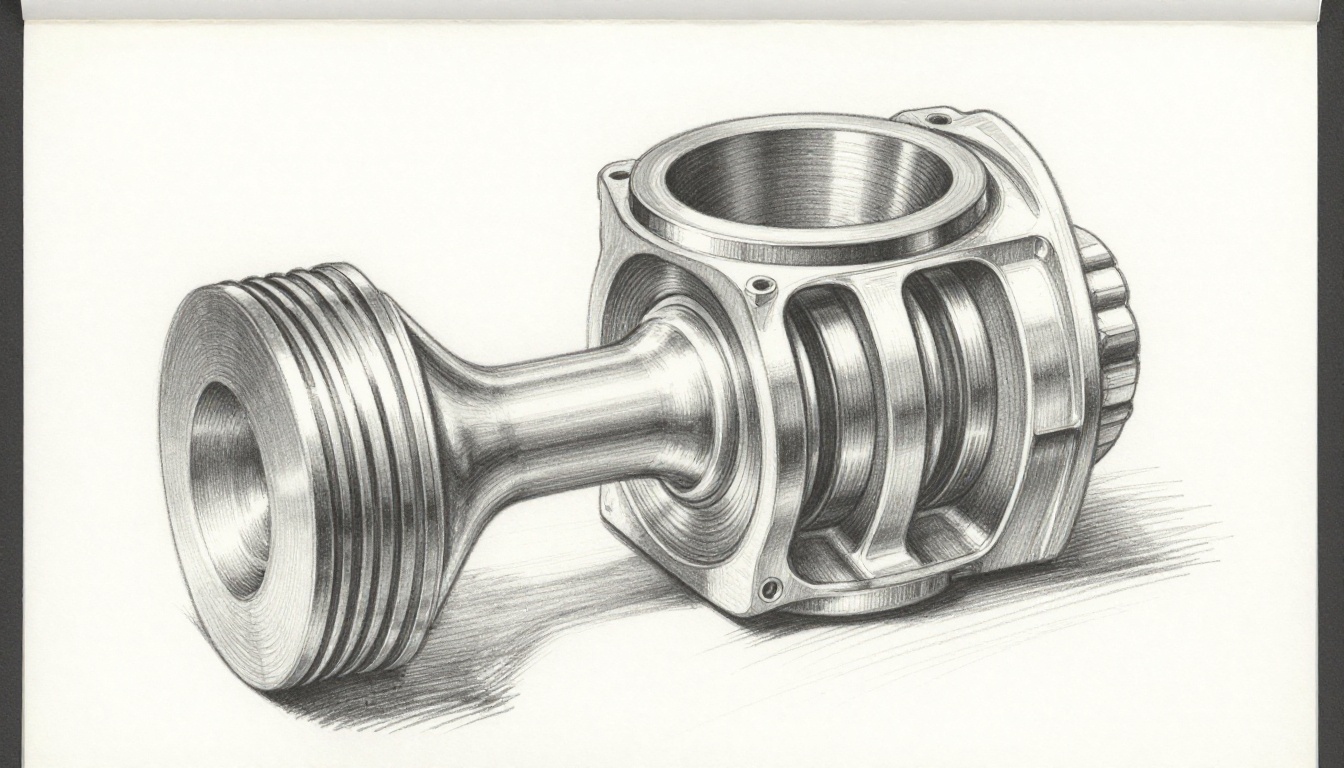
Picture this. You’re driving uphill, foot on the gas, but your car feels sluggish. It used to pull strong, yet now it struggles despite fresh oil changes and tune-ups. Blow-by might be the culprit. This happens when combustion gases slip past worn piston rings into the crankcase. Those gases steal power from your engine.
You lose acceleration and efficiency over time. The science is straightforward. Worn rings create gaps that let high-pressure gases escape. This drops compression and weakens explosions in the cylinders.
In this post, we’ll break down piston rings, blow-by mechanics, power loss effects, and fixes. You’ll learn to spot it early. Understanding blow-by saves you from big repair bills. Let’s dive into how healthy rings work first.
How Piston Rings Keep Your Engine Running Strong
Piston rings sit in grooves on the piston. They seal the gap between the piston and cylinder wall. Most pistons have three rings. Each one plays a key role in keeping gases where they belong.
The top ring handles most sealing during combustion. It traps explosion pressure to push the piston down. Think of it like a tight rubber band around a plunger in a syringe. Without it, force leaks out.
The second ring backs up the top one. It also helps transfer heat from the piston to the cylinder wall. Oil control rings at the bottom scrape excess oil back down. They prevent oil from burning in the combustion chamber.
These rings work as a team. They maintain pressure, control oil, and ensure smooth power delivery. Materials like cast iron or steel make them tough. They flex just enough to stay tight against the cylinder.
The Role of Each Piston Ring Type
The top compression ring seals combustion gases first. It faces the hottest, highest-pressure part of the cycle. Its thin edge cuts into any tiny gap.
Next, the second compression ring supports the top ring. It seals any gases that sneak past. This ring also conducts heat away from the piston top. Without it, pistons overheat fast.
Oil control rings come last. They wipe oil from the cylinder wall on the upstroke. Some have expanders to press them outward. Together, they keep oil in the crankcase and combustion clean.
All three rings overlap in function. They prevent cross-contamination between oil and fuel mixtures.
What Makes Piston Rings Wear Down
Wear starts slow but builds. High mileage grinds rings thinner over time. Poor oil quality speeds this up because it lacks proper additives.
Overheating warps rings or cylinders. Abrasive particles from dirty air filters scratch surfaces. Aggressive driving, like hard launches, stresses them more.
Ethanol in fuel can worsen wear too. It dries out seals and promotes deposits. Gaps form gradually. Once gaps exceed specs, usually 0.005 inches per inch of bore, leaks begin.
Dirt, heat, and neglect team up. Regular care slows the process.

Unpacking Blow-By: The Sneaky Power Thief
Blow-by occurs when combustion pressure overcomes worn ring seals. Gases blast through gaps into the crankcase below the pistons. This crankcase holds oil and breather systems.
In a healthy engine, rings hold nearly all pressure. Normal blow-by stays under 5 percent. Worn rings let 20 percent or more escape. Pressure drops fast in the cylinder.
Gases mix with oil there. They create foam and pressure buildup. Your PCV valve tries to vent it, but it overwhelms the system.
This thief works quietly at first. Power fades without obvious drama.
The Step-by-Step Process of Blow-By
Combustion ignites the air-fuel mix. Pressure spikes to 1,000 psi or more. Healthy rings contain it all.
Worn rings have gaps. Gases squeeze past during peak pressure. They rush into the crankcase like wind through a cracked window.
Oil absorbs fuel and moisture. It thins out and turns acidic. Crankcase pressure rises. Blow-by continues each cycle, compounding damage.
Physics drives it simple. Higher cylinder pressure forces leaks until equilibrium hits.
Early Warning Signs You Can’t Ignore
Blue smoke from the tailpipe signals burning oil. It puffs on hard acceleration because rings fail to scrape oil.
You smell oil burning too. Power drops, especially at high RPM. Idle gets rough as uneven compression shakes the engine.
Check the oil filler cap. If it puffs when removed, crankcase pressure is high. Wet spots inside mean gas intrusion.
Oil level rises without adding any. Fuel dilution shows up in analysis. These signs scream blow-by.
Why Blow-By Kills Engine Power and Performance
Lower compression means weaker bangs. Each explosion pushes the piston less. Torque and horsepower drop together.
A 10 percent blow-by loss can cut power by 15 to 20 percent. Your engine revs slower under load. Fuel economy suffers as it works harder.
Contaminated oil loses viscosity. Bearings and cams starve for lube. Carbon builds on valves and rings. Emissions climb with unburned fuel.
Long-term, scored walls need boring. Rings can’t seal forever.
Direct Hit on Compression and Horsepower
Compression tests reveal truth. Healthy cylinders hit 150 to 180 psi. Low numbers, say under 120, point to rings or valves.
Blow-by equalizes pressure across the gap. Less force on the piston means less work output. Horsepower ties to force times piston speed.
Dyno runs confirm it. Fix rings, and power jumps back. Compression rules engine strength.
Hidden Costs: Oil Fouling and Beyond
Fuel in oil thins it like water in syrup. Acids eat bearings and soften seals. Diesels suffer wet stacking, where unburned fuel stacks up.
PCV clogs with sludge. Vacuum drops, hurting throttle response. MPG falls 10 to 20 percent easy.
Emissions tests fail too. Catalytic converters clog from oil ash. Repairs snowball from there.

Spotting and Stopping Blow-By Before It’s Too Late
Start with a compression test. Do wet and dry versions. Dry under 100 psi per cylinder? Suspect rings.
Leakdown tests pinpoint escapes. Put a gauge in the spark plug hole. Crank the engine and read percentage loss.
Measure crankcase pressure next. Block the PCV and dipstick. A manometer shows excess over 2.5 psi.
Oil analysis confirms fuel dilution. Labs check for 5 percent or more.
DIY and Pro Tests for Blow-By
Grab a cheap compression tester first. Remove plugs, disable fuel and ignition. Crank and record psi across cylinders.
Wet test adds oil to the cylinder. Big jump means rings leak. Little change points elsewhere.
Check PCV flow. Shake it; it should rattle free. Pro shops use leakdown rigs for precision.
No fancy tools needed. Basic gauge costs under 30 bucks.
Smart Fixes and Prevention Strategies
Additives clean mild cases short-term. They swell rings a bit. Real fix means ring replacement.
Engine rebuilds hone cylinders and install new rings. Costs 2,000 to 5,000 dollars usually.
Prevent with synthetic oil changes every 5,000 miles. Match viscosity to specs. Avoid short trips that don’t warm oil fully.
Monitor coolant temps. Clean air filters stop abrasives. Easy habits extend ring life years.

Worn piston rings cause blow-by, which drops compression and robs power. You see it in smoke, weak pull, and rough runs. Catch symptoms early with simple tests.
Act now. Run a compression check this weekend. Proactive maintenance beats rebuild bills every time.
Share your engine stories below. Have you fixed blow-by? What worked for you? Keep your motor strong and drive confident.