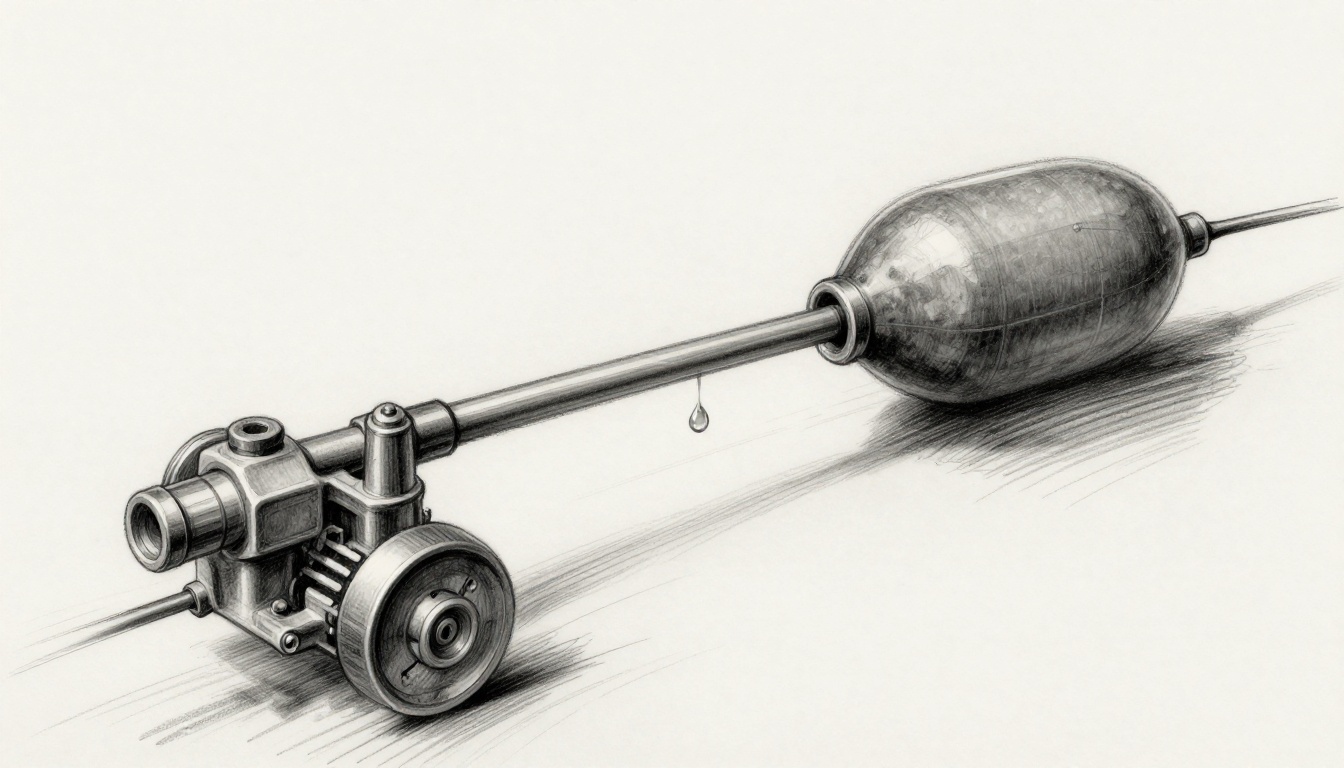
Picture this. You’re in your garage, firing up the old lawnmower for the first cut of spring. Gas spills everywhere as fuel overflows from the carburetor. The smell hits hard, and you worry about a spark igniting the mess. Moments like these happen because of a tiny oversight in the float and needle valve.
This small duo works inside carbureted engines on cars, bikes, boats, and small tools. The float acts like a buoy in a tank. It rises with fuel level. Then it pushes the needle valve shut. Fuel stops flowing in. No more overflows.
You see this setup in older vehicles or outboards where fuel injection isn’t common. It keeps the float bowl at the right level for smooth mixing with air. Without it, you’d face floods, fires, or stalled motors. In this post, we’ll break down what it is, how it works step by step, and ways to spot trouble. You’ll learn simple fixes too. Understanding this part means safer starts and cleaner operation, especially as summer boating or mowing season nears.
What Is a Float and Needle Valve and How Does It Fit in Your Engine?
Carburetors mix fuel and air for engines without electronic controls. They sit between the air filter and intake manifold. Inside, a float bowl holds a steady fuel supply. That’s where the float and needle valve lives. It controls fresh fuel from the tank or pump.
Think of it like your toilet tank. The float drops when water’s low. It opens the inlet. Water fills until the float rises and shuts it off. Here, fuel does the same. The valve sits at the bowl’s top inlet. It maintains level for the right air-fuel mix. Too much fuel? The engine runs rich and fouls plugs. Too little? It starves.
Modern fuel injection skips this. Sensors and pumps handle flow precisely. But in small engines or classics, the float and needle valve rules. It prevents spills that soak garages or decks. Next, let’s look closer at each piece.
The Float: Your Fuel Level Sensor
The float rides on top of the fuel in the bowl. Buoyancy keeps it up. Most use cork, plastic, or brass. Cork floats well but soaks gas over time. Plastic resists that. Brass lasts in rough use.
A lever arm clips to the float. It connects to the needle. As fuel drops, the float falls. The arm pulls the needle open. Fuel rushes in. Picture filling a gas can. The level climbs. The float mirrors that rise perfectly.
Materials matter for reliability. Ethanol in modern gas swells cork. So plastic or metal works better now. Check yours yearly. A good float senses level changes fast. It avoids overfills that lead to leaks.
The Needle Valve: The Gatekeeper of Fuel Flow
The needle looks like a skinny pin with a tapered tip. It slides into a seat at the inlet. When closed, the tip seals tight against that brass or steel ring. No fuel sneaks past.
Fuel line pressure pushes from the tank side. The needle resists until the float lifts it. Precision grinding ensures a perfect fit. Leaks mean poor shutoff.
Seats come in sharp or soft types. Sharp ones suit leaded fuels from old days. Soft seats handle alcohol blends today. They seal without pitting. Together, float and needle keep balance. They fit engines from outboards to motorcycles seamlessly.
Step by Step: How It Prevents Fuel Overflows Every Time
Fuel use drops the bowl level. The float falls. That opens the needle. Fresh supply enters until full. Equilibrium holds it steady. Pressure from the pump aids flow, but the valve caps it.
This cycle runs quietly. It stops floods that cause black smoke or hydrolock. Hydrolock crams liquid fuel into cylinders. Pistons can’t compress it. Boom, bent rods. In boats, overflows mean fire risks on water.
Consider a stalled mower. You prime it too much. Without this valve, fuel floods the intake. It stalls again. But a working setup prevents that. Now, trace the action closely.
When Fuel Is Low: Opening the Valve Seamlessly
Start with a near-empty bowl. The engine sips fuel fast. The float drops with the level. Its arm pulls the needle up.
The tapered tip lifts from the seat. Fuel rushes under pressure. It fills quick. The venturi in the carb pulls some into the airstream too. But the bowl stays full.
This happens on every intake stroke. Smooth operation follows. No hesitation. The system responds in seconds.
Full Tank Signal: Shutting Off Flow Instantly
Fuel climbs. The float rises. It pushes the arm. The needle seats fully.
Pressure seals it tight. Zero drip occurs. Tight tolerances matter here. Even 0.001 inch gap leaks over time.
Equilibrium sets in. Fuel use matches inflow. The bowl stays ideal. Safety wins every cycle.
What Goes Wrong Without This Safeguard
Stuck open? Fuel floods nonstop. It overflows to the intake. Black smoke pours out. The engine stalls or runs rough.
Spills hit the ground. In garages, vapors build. A hot manifold ignites them. Boats face deck fires. Rich mixes wash oil from cylinders too.
No valve means constant watch. Floods ruin trips. This simple guard averts it all.
Spotting Problems and Keeping Your Valve Running Smooth
Smell gas constantly? See leaks around the bowl? Hard starts plague you? These signal valve issues. Wear grinds the needle. Debris jams it open. Ethanol corrodes parts.
Clean it yearly. Use stabilizers in storage. Check float height often. Simple tools fix most. Screwdriver, cleaner, and gauge do it.
Aftermarket kits work fine. OEM matches best. Costs stay low. Keep it tuned for peak performance.
Warning Signs Your Valve Is Failing
Rich fuel odor lingers first. Then wet spark plugs show up. Fuel mixes in oil, milky on the dipstick.
Bowl overflows visibly. Leaks puddle under the carb. Hard starts follow because levels swing wild.
Remove the bowl to check. Fuel pours out? Valve sticks. Act fast to avoid bigger damage.
Simple Cleaning and Adjustment Steps
Shut off fuel first. Drain the bowl. Remove four screws usually.
Spray carb cleaner inside. Wipe the needle and seat. Blow dry with air.
Set float height. Use a gauge or spec from the manual. Bend the arm slightly. Reassemble tight.
Do this before winter storage. It prevents gum-up from old gas.
When to Replace and What to Buy
Pits scar the seat? Needle flats wear off? Time for new.
Kits cost under $20. Mikuni suits bikes. Briggs for mowers. Match your model.
OEM ensures fit. Adjust per specs. Test run after. Fresh parts restore shutoff power.
The float and needle valve stands as your engine’s silent protector. It halts overflows that spark danger or stall rides. Clean or replace it now, before summer heat amps risks.
Inspect your carb today. A quick check saves headaches. Share your fix stories in comments. What overflow mess did you face? Subscribe for more tips on small engine care.
Master this part. Enjoy safer, cleaner runs every time.