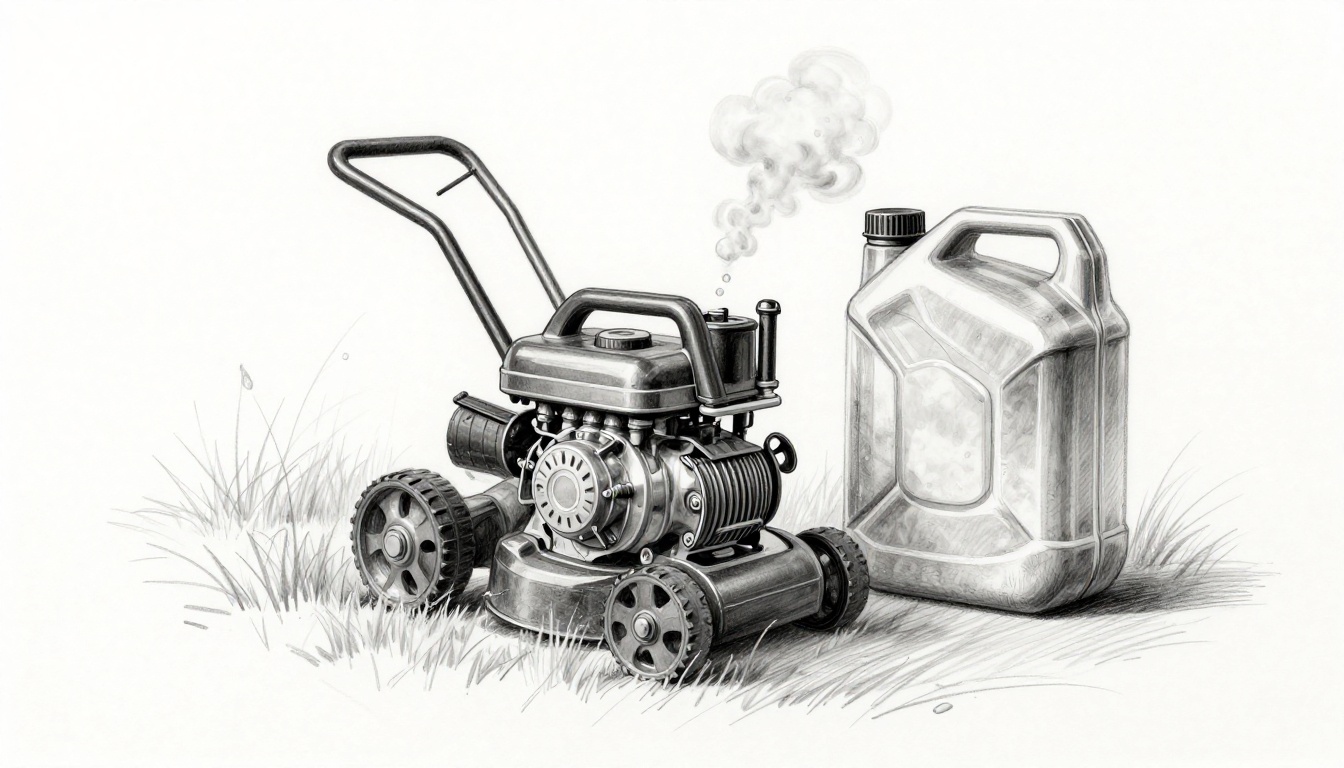
Picture this. You’re halfway through mowing the lawn on a sticky summer afternoon. Your mower coughs, sputters, and quits cold. You check the oil. It’s fine. Spark plug looks good. But that gas in the tank? It’s turned against you.
Bad gas strikes when fuel goes stale, picks up water, or carries too much ethanol. Small engines in lawnmowers, chainsaws, weed eaters, and generators suffer most. These machines sit idle for weeks or months. Ethanol worsens it all by attracting moisture and corroding parts. You waste time, money on repairs, and curse the heat.
This guide shows you how to spot bad gas fast. You’ll learn signs from looks and smells to engine hiccups. Then we’ll break down ethanol’s sneaky attacks. Plus, simple tests and fixes keep your gear running smooth. No more surprise breakdowns. Let’s dive in and save your summer projects.
Spot the Telltale Signs Your Gas Has Gone Bad
Bad gas hides in plain sight. It starts fresh from the pump but degrades quick. Air, heat, and time turn it sour. Small engines gulp it down and pay the price.
Owners notice trouble first in performance. But smart checks reveal the culprit early. You save hours of frustration.
Visual and Smell Checks You Can Do Right Now
Grab your gas can. Shake it hard. Fresh gas mixes even. Bad gas shows layers or cloudiness.
Look close. Fresh gasoline shines clear or slightly yellow. Stale fuel darkens to brown. Varnish-like flecks float inside. Water makes it milky.
Sniff the cap. Good gas smells sharp, like a new can. Bad gas reeks of rotten eggs or nail polish remover. Ethanol blends sour faster because they pull in humidity.
E10 fuel, common at pumps, phases out worst. The watery bottom layer gums everything. Don’t pour it in. Dump it safe instead.
These checks take seconds. Do them before filling up. Your engine thanks you.

How Bad Gas Makes Your Engine Act Up
Pour bad gas in, and symptoms hit quick. Your chainsaw bogs in thick brush. It floods on startup.
Hard starts top the list. Pull the cord ten times. It coughs but won’t catch. Stale volatiles evaporate. No easy ignite.
Rough idle follows. The machine runs shaky. It hunts for speed. Phase-separated fuel starves the carb.
Sudden stalls kill momentum. Mower dies mid-row. Weed eater quits on weeds. Water in fuel kills the flame.
Smoke tells tales too. Black puffs mean rich mix from gum. White haze screams water. Compare to spark plug fouls or air filter clogs. Bad gas hits fuel system first.
A buddy’s generator stalled during a blackout. Drained the tank. Fresh gas fired it right up. Spot these, and you fix fast.
Why Ethanol Turns Small Engines into Rust Buckets
Ethanol seems harmless in cars. Small engines hate it. This alcohol pulls water from air like a sponge. Trouble brews fast.
Most pump gas holds 10% ethanol, E10. Some spots push E15. Outdoor tools run short bursts. Fuel sits months. Corrosion sets in.
Car engines handle it. Fuel injectors seal tight. They cycle constant. Your trimmer? Not so much.
The Water Absorption Trap Ethanol Sets
Ethanol bonds with water. Humid garage air seeps in. Fuel cap loosens a bit. Moisture builds.
Saturation hits. Ethanol splits from gas. Watery ethanol sinks. Gasoline floats above. You pump the bad layer first.
Acids form too. They etch aluminum carbs. Rust pits steel tanks. One wet winter ruins jets.
Think sugar in tea. It soaks up liquid till it clouds. Ethanol does that to your tank. Pure gas stays stable.
Real Damage to Carburetors, Hoses, and More
Carbs clog first. Ethanol swells diaphragms. They crack or stick. Jets varnish shut.
Fuel lines soften. Rubber gaskets balloon. Leaks spray gas. Fire risk jumps.
Pistons score from debris. Cylinders wear. Rebuilds cost $200 plus.
Shops see it daily. Ethanol-free gas cuts repairs 50%. Rec fuel at marinas or stations works best. Switch now. Your wallet stays full.

Quick Tests to Confirm Bad Gas Before It Ruins Your Day
Suspect fuel? Test it safe. Work outdoors. No flames near.
First, jar test for water. Pour sample in clear jar. Add salt. Water sinks. Ethanol layer clouds below gas.
Evaporation check next. Drip on metal. Fresh gas vanishes quick. Stale leaves residue. Smell lingers wrong.
Shake test again. Let settle 30 minutes. Layers prove phase separation.
Fuel kits from auto stores detect ethanol percent. Dip strip changes color. Over 10% spells trouble for small engines.
Drain bad stuff into approved cans. Recycle at hazmat days. Freshen with stabilizer.
Can’t decide? Shop pros use sight glasses. They confirm fast.
These steps take 10 minutes. Beat the damage.
Smart Fixes and Prevention to Keep Engines Running Smooth
Found bad gas? Drain the tank. Tilt the machine. Let it run dry.
Switch to ethanol-free. Find it at race tracks, airports, or Tractor Supply. Costs more upfront. Saves repair bills.
Add stabilizer always. Products like Sta-Bil keep fuel fresh two years. Mix per label.
Store smart. Run dry before winter. Cap tanks tight. Cool, dark spot helps.
Buy fresh. Skip marina pumps high in ethanol. Pump stations list blends. Choose REC-90.
Clean carbs yearly. Q-tips and carb cleaner dissolve gum. Ethanol-resistant kits upgrade old hoses.
One user ditched E10. His mower starts first pull now. Saves $150 yearly on fixes.
Prevention pays. Reliable tools mean finished yards. No mid-job stalls.

Spot bad gas early, and your small engines thrive. Ditch ethanol. Grab pure fuel and stabilizers. Check tanks today.
Your gear runs strong. Yards stay neat. What bad gas story hit you hardest? Share below. Subscribe for more yard tips.