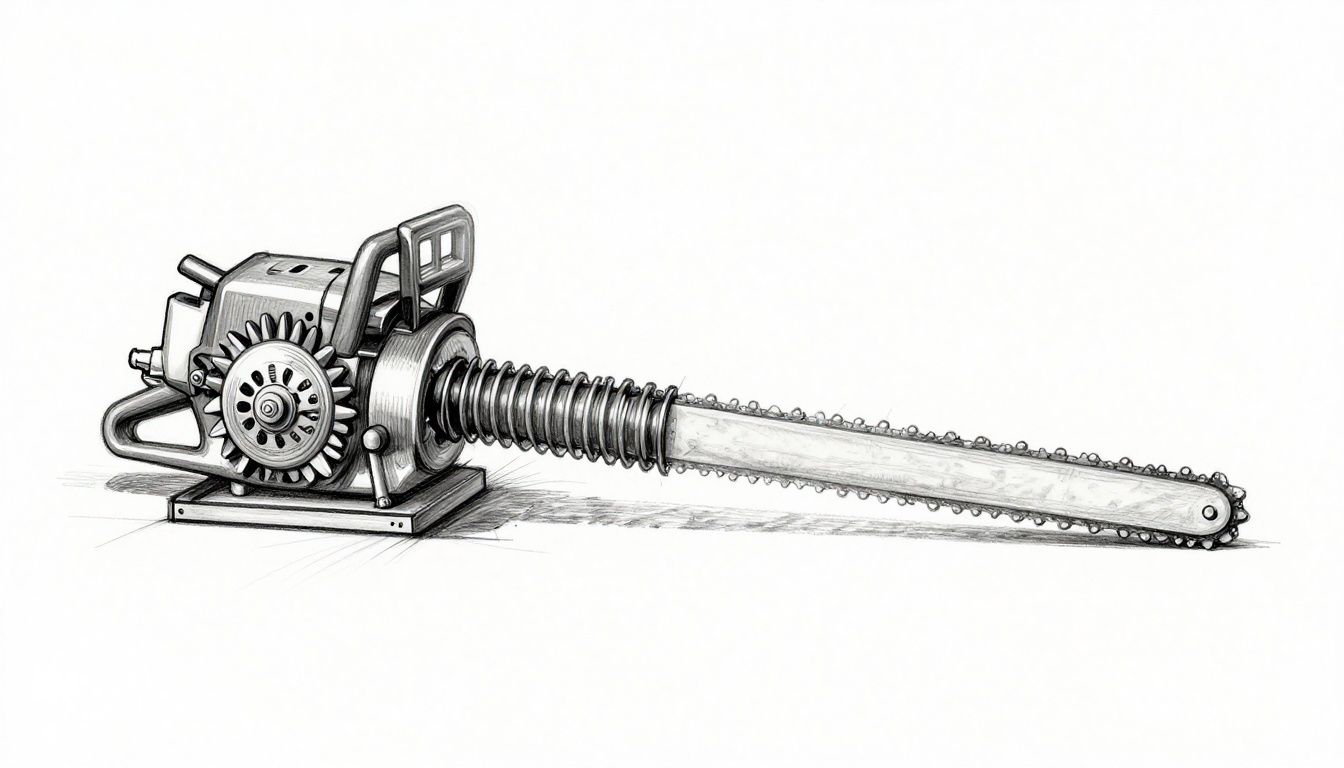
Picture this. You squeeze the throttle on your chainsaw. The engine roars to life. Suddenly, the chain spins with smooth power. That seamless shift happens thanks to a centrifugal clutch. This automatic device links the engine to the cutting parts only at the right speed.
Centrifugal clutches keep things safe and efficient in everyday tools like chainsaws and string trimmers. They prevent blades or lines from moving at idle. No more accidental starts or tangles. Instead, power kicks in just when you need it.
We’ll break down the basics first. Then explore how they work in chainsaws and trimmers. You’ll see the benefits, plus tips to keep yours running strong. It’s simple science that makes yard work safer and easier.
What Is a Centrifugal Clutch and Why Does It Matter?
A centrifugal clutch grabs engine power using spinning force. It connects the engine to the tool’s output shaft only above a set speed. Below that, everything stays loose. This setup beats direct drive systems hands down.
Direct drive sends power all the time. It wears parts fast and risks injury during idle. Centrifugal designs solve that. They let the engine warm up safely. Power engages smoothly for the job.
Think of kids on a playground merry-go-round. They fly outward as it spins faster. The clutch does the same. Weights inside push out to grip the drum. This friction transfers torque reliably.
Key Parts That Make It Tick
The outer drum spins with the output shaft. It’s often aluminum for lightness and strength. Inside, friction shoes or weights sit ready to move.
Springs hold those shoes close to the center at low speeds. The engine always spins the clutch basket. As RPM climbs, centrifugal force overcomes the springs. Shoes press against the drum.
Materials matter here. Shoes use cork, composites, or metals for grip. Drums stay cool under heat. It’s like a slingshot band stretching until release. Each part works together without fancy electronics.
Centrifugal Force in Action, Minus the Math
RPM rises, and force builds. Shoes fly outward. They touch the drum and create friction. That locks everything for full power transfer.
Imagine swinging a bucket of water. It stays in at speed. Drop speed, and it sloshes. The clutch engages around 1800 to 2500 RPM for small engines. Below that, it slips free.
This keeps idling safe. You handle the tool without worry. No chain or line moves until you rev it.
How Centrifugal Clutches Power Up Chainsaws
Chainsaws demand high torque from 2-stroke engines. The clutch drives the chain sprocket only at full throttle. Idle stays quiet and still. This prevents slips during handling.
Engagement follows a clear sequence. You pull the trigger. RPM climbs past the set point. Shoes grab the drum. The chain whips around fast.
Quality matters for kickback control. A good clutch handles sudden loads. It protects you from binding in wood.
Staying Safe During Idling and Starts
At low RPM, the clutch disengages fully. The chain stops dead. Accidents drop because of this.
The throttle links to a governor for smooth ramps. The clutch bell shields the works from debris. Sawdust bounces off. You start confidently every time.
Full Throttle: Chain Speed and Cutting Power
Once locked, RPM flows straight to the chain. Speeds hit 50 to 70 mph. Cuts slice through logs effortlessly.
Heat builds fast here. Shoes glaze if poor quality. Good ones last through heavy use. Rev steady, and power stays consistent.
String Trimmers Rely on the Same Smart Tech
Trimmers use the same idea. The clutch spins the head and line only when revved. Grass won’t tangle at idle. Lighter duty means smaller parts, but the principle holds.
Straight-shaft models put the clutch near the head. Curved ones mount it at the engine. Both avoid low-speed drag. Bump-feed or auto-feed lines extend as it spins.
Spinning Line Without the Tangles
Rev up, and shoes engage. The line whirls at high speed. It slices weeds clean.
Idle keeps the head still. No clogs form. You maneuver freely around fences or plants.
Key Differences from Chainsaw Clutches
Trimmer clutches run smaller. They handle less torque. Plastics cut weight for easy swing.
Engagement RPM sits higher sometimes. This gives finer control on light brush. Chainsaws need quicker grab for thick wood.
Benefits, Troubleshooting, and Easy Maintenance
These clutches shine for safety and life. They protect engines from overload. No electronics means reliable gas power.
Spot slips at full RPM or early engagement. Smoke or poor accel signal trouble. Clean debris first. Check springs next.
Replace shoes after 50 to 100 hours. OEM parts fit best. Aftermarket works if quality holds.
Top Reasons You’ll Love This Design
Safer starts top the list. Idle stays harmless.
Power uses fuel smartly. Engines run cooler.
No batteries or wires. They last in tough jobs.
Spot Problems Early and Fix Them Fast
Glazed shoes slip under load. Oil from 2-strokes kills grip.
Inspect often. Tighten loose bits. Clean after each use.
Chains moving at idle? Weak springs cause it. Swap them out.
Centrifugal clutches mix basic physics with real safety. Next time you fire up the saw or trimmer, feel that smart tech at work. Check your clutch during service. Share your fixes in the comments below.
These designs date back to the 1920s in small engines. They still rule yards today. Subscribe for more tool breakdowns. What’s your go-to maintenance trick?