You’ve noticed your car idles rough. Or maybe gas mileage dropped without reason. These issues frustrate drivers every day.
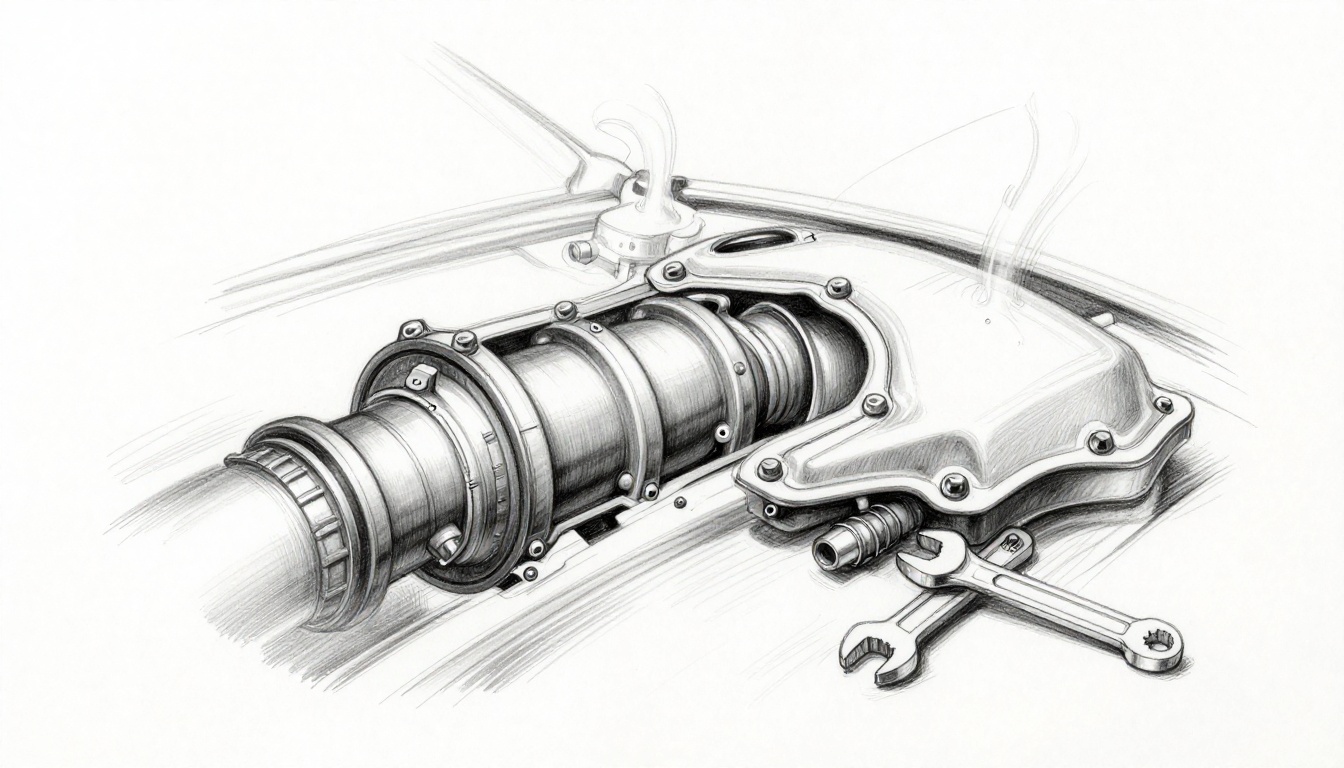
The air intake manifold gasket seals the manifold to the cylinder head. It keeps air and vacuum tight. A leak lets unmetered air sneak in. This messes up the air-fuel mix. Your engine runs lean as a result.
Spot it early. You save on big repairs. Prevent damage to pistons or valves. This post covers seven common signs. It includes inspection steps and fixes. Anyone with basic tools can check at home. Let’s get your engine running smooth again.
Spot These 7 Common Signs of a Leaking Gasket
Extra air enters through a bad gasket. The computer can’t measure it. So the mix leans out. Performance suffers. Drivers report these clues often.
First, rough or high idle speed hits. The engine hunts for the right RPM. It surges up and down. Because extra air speeds combustion.
Second, hissing or whistling sounds come from the engine bay. You hear it under acceleration. Air rushes through the crack like wind in a fence gap.
Third, the check engine light glows. Codes like P0171 or P0174 pop up. These mean bank 1 or 2 runs lean. Scanners confirm it quick.
Fourth, poor acceleration or hesitation slows you down. Press the pedal. The car stumbles. Lean mix cuts power.
Fifth, fuel economy tanks. You burn more gas for less go. The computer adds fuel to compensate. But it guesses wrong.
Sixth, oil residue or black soot builds around manifold edges. Gasket material breaks down. It mixes with oil or exhaust.
Seventh, hard starting or stalling plagues you. Especially when warm. Lean conditions starve the engine at key moments.
One driver shared his story. His Ford F-150 idled high at 1,200 RPM. Gas mileage fell to 12 mpg. A simple gasket swap fixed it all.
Why Your Engine Runs Rough From Unmetered Air
Unmetered air disrupts the air-fuel ratio. Think of it like sipping soda through a straw with a pinhole. You get less fizz. More air means less fuel per gulp.
Sensors read metered air only. The ECU sprays fuel based on that. Extra air starves combustion. Older GM trucks or Ford V8s suffer most. Heat cycles bake the gasket soft.
Listen for That Telltale Hiss Under the Hood
Pinpoint the sound at idle. Rev the engine a bit. The hiss grows. Use your ear or a hose as a stethoscope. It beats other vacuum hose leaks. Those stay steady. This one ties to throttle.
Gather These Basic Tools for a Safe Inspection
Prep right first. Park on level ground. Let the engine cool fully. Wear gloves. Disconnect the battery negative if sparks worry you.
You need few items. A flashlight lights dark spots. Mirror checks tight areas. Carb cleaner spray tests leaks. OBD2 scanner reads codes. Socket set loosens covers if needed. Shop vac pulls debris. Smoke machine works best but costs more.
Cheap swaps help. Phone flashlight does fine. Borrow a scanner from auto parts stores.
Here’s a quick shopping list:
| Tool | Why You Need It | Cost Estimate |
|---|---|---|
| Flashlight | See gasket edges clearly | $10 |
| Carb cleaner | Spray test for RPM changes | $5 |
| OBD2 scanner | Pull lean codes | $20 |
| Socket set | Remove covers if needed | $30 |
| Gloves/mirror | Safe handling and views | $10 |
Most total under $75. No pro skills required.
Follow This Easy Step-by-Step Inspection Guide
Start simple. Work safe in open air. No smoking nearby.
- Pop the hood. Look for cracks or gaps at gasket edges. Check for oil slime or soot buildup.
- Fire up the engine. Let it idle. Listen close for hisses. Hold your hand near edges. Feel puffs of air.
- Grab carb cleaner. Spray short bursts around the manifold base. Watch the tachometer.
- Test with unlit propane torch. Or mix soapy water. Brush it on. Bubbles show suction.
- Plug in OBD2 scanner. Note any lean codes like P0171.
- Run a smoke test if you have the gear. Smoke puffs from leaks.
Warnings matter. Skip open flames. Ventilate well. Stop if unsure.
The Carb Cleaner Trick That Reveals Hidden Leaks
This test shines for DIYers. Idle the engine steady. Spray cleaner on gasket seams.
If RPM surges or stumbles, you found it. Cleaner vapor acts like extra fuel. The lean spot gobbles it. Engine reacts fast.
Keep sprays short. Aim away from hot exhaust. Science stays simple. No fancy tools needed.
Advanced Check with Smoke or Vacuum Gauge
Rent a smoke machine for $50 at parts stores. Feed smoke into intake. Leaks puff white clouds.
Or hook a vacuum gauge to manifold port. Steady 17-22 inches at idle means good. Drops or wiggles signal trouble.
Smoke spots tiny cracks best. Gauges quantify it. Basics work for most. Pros save time on tough jobs.
Fix the Leak Quickly and Prevent Future Problems
Confirm the leak. Then plan the repair. Remove intake manifold bolts. Clean mating surfaces flat. No old gasket bits.
Grab a new gasket. OEM or Fel-Pro lasts best. Costs $20 to $50. Torque bolts to spec. Usually 15-20 ft-lbs.
DIY if handy. You spend an hour and $50. Shop quotes $400 to $600. Pick pro if rusty.
Prevent repeats. Tune up regular. Check PCV valve. It pulls oil vapors. Avoid over-tight bolts. They crush gaskets.
Inspect during oil changes. Heat and age kill them. Swap every 100,000 miles on older cars.
One fix saved a Chevy owner $450. He drove better after.
Spotting early cuts costs big. You avoid rod knock from lean heat.
Grab tools this weekend. Run the checks. Your wallet thanks you.
Share your story below. Did carb spray catch yours? Subscribe for more auto fixes.
How often check? Every oil change or at lean codes. Dangerous? Not right away. But ignore it. Engine damage follows. Drive confident now.