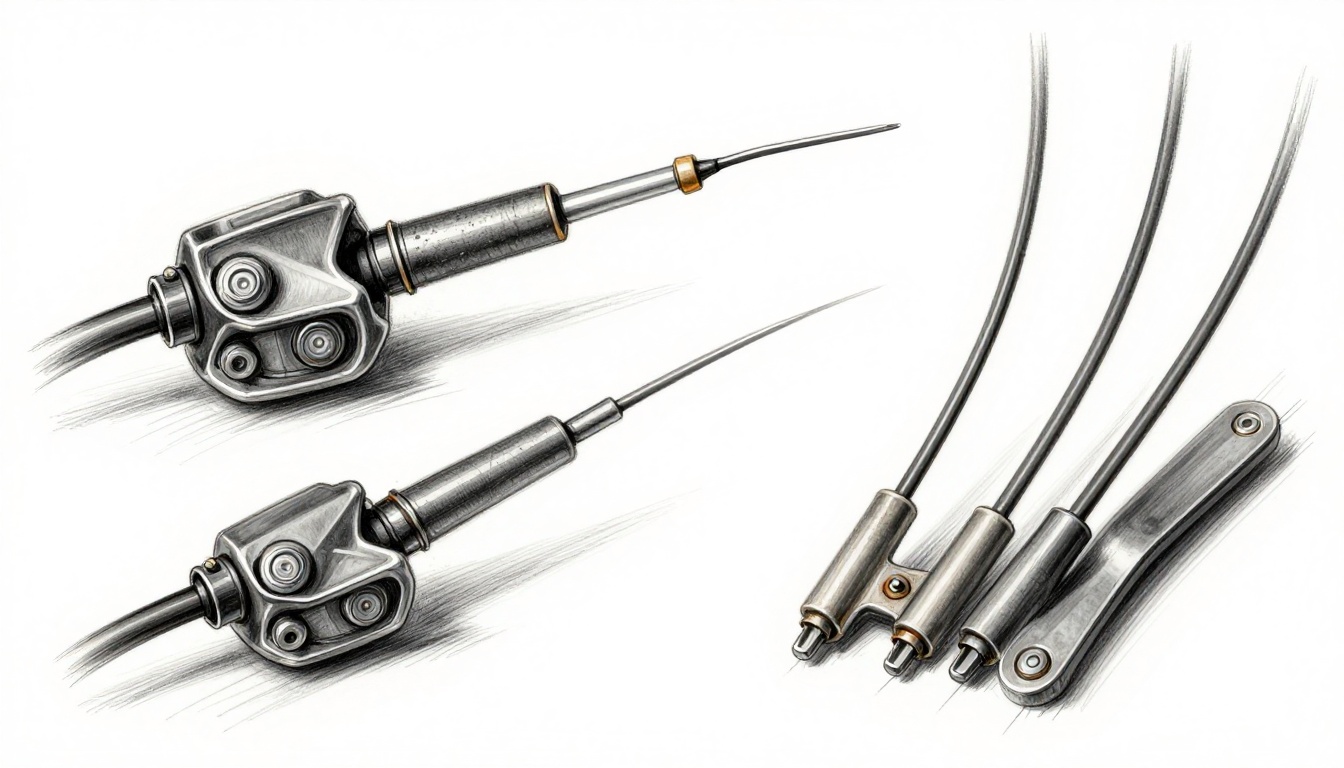
Picture this. You’re ripping down the highway on your motorcycle. Suddenly, the throttle sticks wide open. Heart pounds as you fight to slow down. That nightmare stems from neglected control cables.
These cables handle throttle, brakes, clutch, and shifters on bikes, cars, ATVs, even bicycles. Dirt builds up inside the housing. Moisture rusts the inner wire. Dry friction grinds metal on metal. Cables stick or snap under stress.
Regular lubrication fixes that. You get smoother action and fewer breakdowns. Rides stay safer too. This guide covers cable basics, smart lube picks, a step-by-step process, maintenance tips, and pitfalls to dodge.
Spot the Signs Your Control Cables Need Attention
Control cables fail quietly at first. Then they cause big trouble. Common ones include motorcycle throttle cables and bicycle brake lines. Grime packs the housing over time. Moisture sneaks in and rusts the steel wire. Without lube, parts rub raw.
Snapping happens when frayed wires hit max stress. Jerky shifts signal issues. You push harder to engage brakes or clutch. Squeaks mean binding inside. Think of it like a rusty bike chain. Friction builds until it seizes.
Prevention saves cash on repairs. A quick lube costs pennies. New cables run hundreds. Have you dealt with a sticky cable? Spot signs early and act.
Throttle Cables That Refuse to Budge
Throttle cables jam most often. They cause partial opens and sudden surges. Full sticks risk wrecks at speed. Dirt bikes suffer from mud caked inside. Riders notice sluggish response first. Then acceleration lags. Ignore it, and the wire frays fast. Test by rolling on throttle. Does it snap back clean? If not, lube time.
Brake and Clutch Cables Going Slack or Stiff
Brake cables drag when stiff. That eats pads quick. Clutch cables slip if slack. Gears grind as a result. Housing flex worsens with age. Moisture inside amplifies rust. Feel extra play or resistance? Stop riding until fixed. Safety hangs by a thin wire.
Pick Lubricants That Actually Work on Cables
Not all lubes suit cables. WD-40 sprays dry out fast and attract dirt. Pick ones made for cables instead. They penetrate the housing and cling well. Light oils work in wet spots. Dry films shine in dust.
Good lubes repel water and stay put. Viscosity matters. Think honey, not water. It coats without dripping. Match to your ride. Road bikes need rain protection. Off-road demands grit resistance.
Wet lubes hold in rain but pull dirt. Dry types stay clean. Generics like bike cable lube do fine. Marine-grade handles boats too.
Dry Film Lubes for Dust-Prone Rides
Graphite or Teflon-based lubes excel here. They form a slick film. No mess drips off. ATVs and dirt bikes love them. Dust slides away. Apply thin for best results. Reapply after muddy runs.
Wet Oils for High-Moisture Environments
These displace water fast. Ideal for boats or rainy commutes. They soak deep into housing. However, wipe excess. Otherwise, grit sticks like glue. Chainsaw bar oil works in a pinch.
Follow This Foolproof Guide to Lube Any Control Cable
Lube cables right the first time. Park the vehicle stable. Let the engine cool fully. Wear gloves to stay clean. The whole job takes 30 to 60 minutes per cable. No shortcuts allowed.
Follow these steps in order. Patience pays off with smooth controls.
Step 1: Round Up Tools and Remove the Cable
Gather supplies first. You need lube syringe or zip ties, degreaser, rags, and pliers. A cable remover tool helps. Disconnect ends gently. Note the routing path. Pull the cable free without kinks.
Step 2: Flush Out Dirt and Old Lube
Soak the cable in degreaser. Work the wire back and forth many times. Blast with compressed air. Dry completely. Moisture traps lead to rust later. Shake out debris well.
Step 3: Push Lube Deep Inside
Insert the nozzle at both ends. Squeeze steady pressure. Cycle the wire 20 times to spread even. Wipe off excess. For sealed cables, use a zip tie to drag lube through. Go slow for full coverage.
Step 4: Reconnect, Adjust, and Road Test
Slide cable back in place. Lube the outer housing too. Set proper free play with adjusters. Cycle controls 20 times. Test on a short ride. Check for binds or slack. Adjust as needed.
Build Habits That Keep Cables Running Smooth Year After Year
Routine maintenance trumps emergencies. Lube before winter storage. Use bike covers to block road salt. Clean often in wet seasons.
Seasons affect cables. Rain washes lube away. Dust clogs dry ones. Stay ahead with a plan.
Ideal Lube Schedule by Riding Mileage
Lube every 500 to 1000 miles. Or twice yearly, whichever comes first. Off-road doubles that. Salty roads demand monthly checks. Track miles in a log.
Daily Checks to Catch Issues Fast
Tug cables before each ride. Feel for stiffness. Listen for grinds or squeaks. Note weather shifts. A quick wipe keeps grime off.
Steer Clear of These Lube Blunders That Damage Cables
Mistakes ruin good cables. Over-lubing turns them into dirt magnets. Like flypaper on your housing. Wrong lube gums up fast. Oil in dust attracts clumps.
Skip cleaning first? Grit grinds wires raw. Force yanks fray ends quick. Set tension too tight, and snaps follow. One rider slathered grease thick. His throttle seized next day. Laugh now, but check your habits.
Wrapping Up for Safer, Smoother Rides
Lubricating control cables prevents sticking and snapping. You save money and stay safe. Smoother shifts boost confidence too.
Grab lube this weekend. Tackle one cable today. Share your cable horror stories in comments. Or drop tips below. Happy wrenching!
(Word count: 1,482)