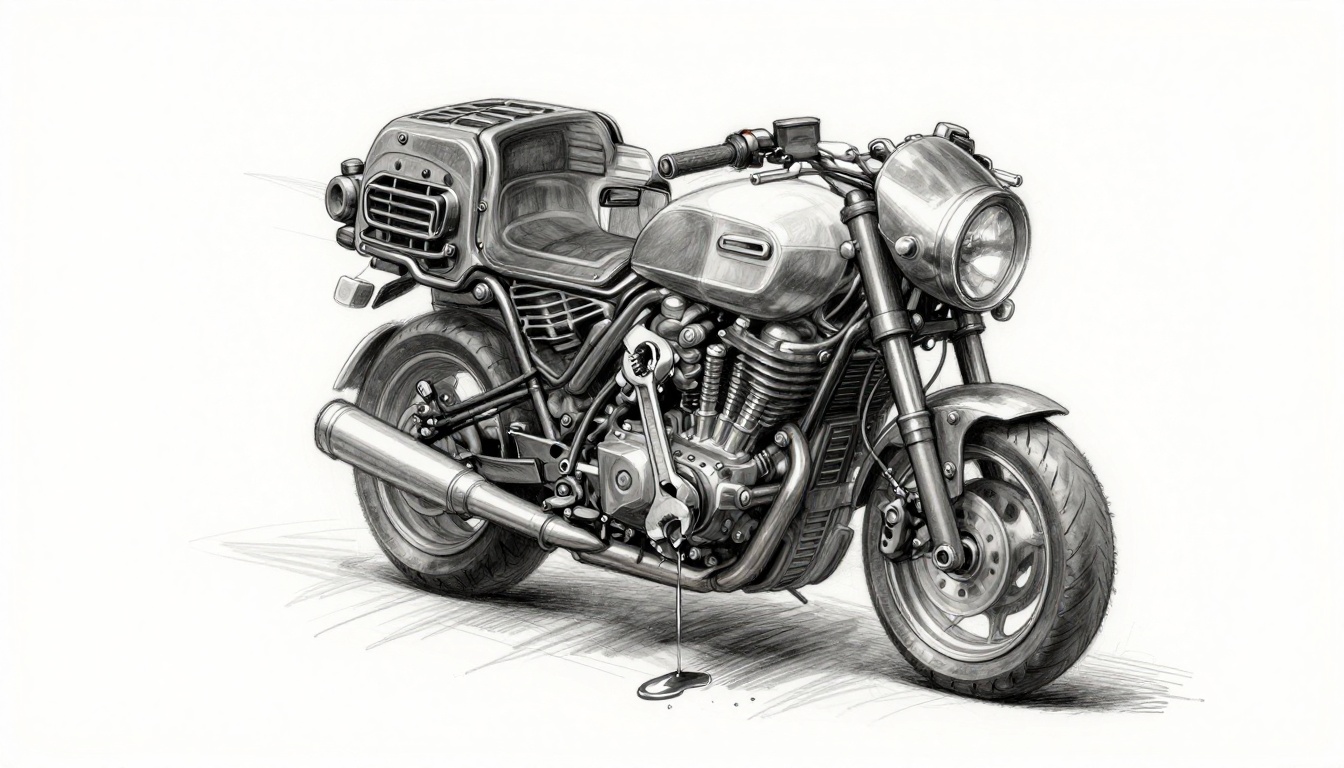
Picture this. You loosen the drain plug on your motorcycle engine. Oil blasts out like a firehose. It hits your jeans, workbench, and tools. Now you spend hours scrubbing black stains.
That sticky nightmare ends today. The best method uses a low-profile drain pan, protective sheets, and precise steps. You catch every drop. No cleanup hassle follows. Your workspace stays safe and dry. Jobs finish faster too.
This guide shows you why messes happen. Then it covers tools you need. Next comes the exact sequence. Finally, bonus hacks seal the deal. Follow along. You’ll drain oil without mess next time.
Why Oil Always Seems to Spray Everywhere During Drains
Oil drains turn chaotic fast. Pressure builds inside the engine. Loosening the plug releases it all at once. Pans tip over easily. Drips linger from threads. Cold oil clings and splatters too.
Think of a soda bottle shaken up. Open it quick. Liquid sprays. Warm engine oil acts the same. It shoots sideways. Your bench pays the price.
Common culprits include:
- Built-up pressure: Hot oil expands. Air escapes first with a hiss.
- Pan issues: Wrong size overflows. Edges lack lips for splashes.
- Thread drips: Oil hides in plug grooves. It falls after you tighten.
- Thick cold oil: It flows slow. Chunks stick to the engine and drop later.
A motorcycle on the bench makes it worse. Limited space means less room for pans. One slip covers everything in black goo. You feel the frustration. But simple fixes stop this. The right setup controls every drop.
That First Gush Nobody Expects
Warm oil waits under pressure. You crack the plug. It blasts out fast. Tools nearby get coated. Bench edges drip everywhere.
Listen for hissing air first. It signals pressure. Loosen the plug just a quarter turn. Wait 10 seconds. Pressure drops. Then remove it fully.
Position your pan close. Angle it slightly. This directs the flow. Wear gloves. Hot parts burn skin. Safety comes first. You avoid the gush this way.
Overflows and Lingering Drips That Sneak Up
Pans fill quick during the initial rush. Pick one two quarts larger than your engine holds. It prevents spills.
Threads on the plug trap oil. Wipe them with a rag before reinstall. Twist the rag inside grooves. No drips follow.
Cold oil thickens. Run the engine five minutes first. It thins out. Flows clean into the pan. Check levels every few minutes. Empty if needed. These steps keep things tidy.
Stock Up on Simple Tools That Stop Spills Cold
Gather these essentials first. They cost under $100 total. Most run $10 to $20 each. Shop at auto stores or online.
A spill-proof drain pan leads the pack. Low sides with a lip catch splashes. Spout pours clean into jugs.
Line your bench with heavy cardboard. It soaks spills. Shop towels work too. Stack two layers.
Nitrile gloves protect hands. Oil irritates skin. An adjustable wrench or socket fits most plugs.
Grab a waste oil container. Seal it tight. Funnel for new oil pours neat.
Optional drip tray sits under the bench edge.
Here’s why they shine:
- Drain pan: Shape hugs the engine. No side leaks.
- Cardboard/towels: Absorb 100% of drips.
- Gloves: Grip slick plugs better.
- Wrench/socket: Precise torque avoids cross-threading.
- Container/funnel: No pouring mess later.
Budget picks include the Lisle low-profile pan. Or generic ones from Harbor Freight. Test fit on your bench first. These tools turn chaos into control.
Follow This Exact Sequence for Zero-Mess Oil Draining
This process takes 30 minutes. Pros finish in 20. Secure everything level first. Patience pays off.
- Park the machine on a flat bench. Use wood blocks if needed. Engine stays even.
- Line the area fully. Cardboard covers two feet around the plug.
- Run the engine five to ten minutes. Oil warms and flows free.
- Place pan under plug. Edge touches the bench. No gaps.
- Crack plug a quarter turn sideways. Wait for hiss. Pressure releases.
- Remove plug fully. Oil streams steady. Watch the pan level.
- Drain 10 to 15 minutes. Tap the pan lightly. Last drops fall.
- Wipe plug threads clean. Reinstall hand-tight plus quarter turn.
- Scan the bench quick. Rag up any spots.
- Funnel new oil in. Check level after running.
Safety note: Gloves on for hot parts. Eye protection too. Work in ventilated space. This sequence catches it all.
Set Up Your Bench Like a Pro First
Stability matters most. Wobbly benches tip pans. Shim legs even. Secure the engine with straps.
Layer protection wide. Cardboard overlaps edges. Tape seams if slick. Mark the pan spot with tape. You position perfect every time.
Even surfaces prevent tilts. Test rock the setup. Adjust now. Prep takes two minutes. It saves cleanup later.
Control the Flow from Plug to Pan
Loosen slow. Quarter turn first. Pause. Air hisses out. No spray follows.
Pull plug straight. Tilt pan lip up. Flow hits center. If it speeds, step back. Let gravity work.
Watch for foam or chunks. Normal in old oil. Stir pan gentle. Keeps level accurate. Ten minutes max for most jobs.
Seal It Up and Wipe Away the Last Drops
Oil hides in threads. Twist rag inside. Dry fully.
Hand-tighten plug first. Then quarter turn with wrench. Snug, not cranked.
Rag every seam. Engine pan lip. Bench edges too. Quick scan catches misses. Your space stays spotless.
Extra Hacks to Make Oil Changes a Breeze Every Time
Level up with these five tricks. They cut time and stress.
Pre-cut cardboard templates fit your engine. Store flat. Grab and go.
Silicone sealant on plug threads stops future drips. Thin coat works.
Elevate a drip board under the bench. Cardboard stack catches falls.
Dispose oil at auto stores. Free in most states. No backyard jugs.
Long-term, coat bench with truck bed liner. Oil wipes right off.
Which hack grabs you first?
Pump It Out from the Top for Ultimate Cleanliness
Tight benches hate drain plugs. Oil extractors suck via dipstick tube. No pan needed.
Pumps cost $30 to $60. Manual ones work fine. Electric speeds it up.
Perfect for lawnmowers or ATVs on benches. Suck slow. Reverse to dispense.
Pros beat draining: No hot plugs. Zero spills. Fits anywhere. Try one next season.
Keep Your Workbench Clean for Good
The low-profile pan and cardboard setup win every time. You control pressure, catch drips, and wipe fast. Messes vanish. Jobs speed up. Pro results follow.
Grab those tools today. Run your next service this way. Save hours on cleanup.
Share your old mess stories below. Or your first clean win. What hack will you test? Subscribe for more garage fixes.
Your bench deserves better. Keep it dry.