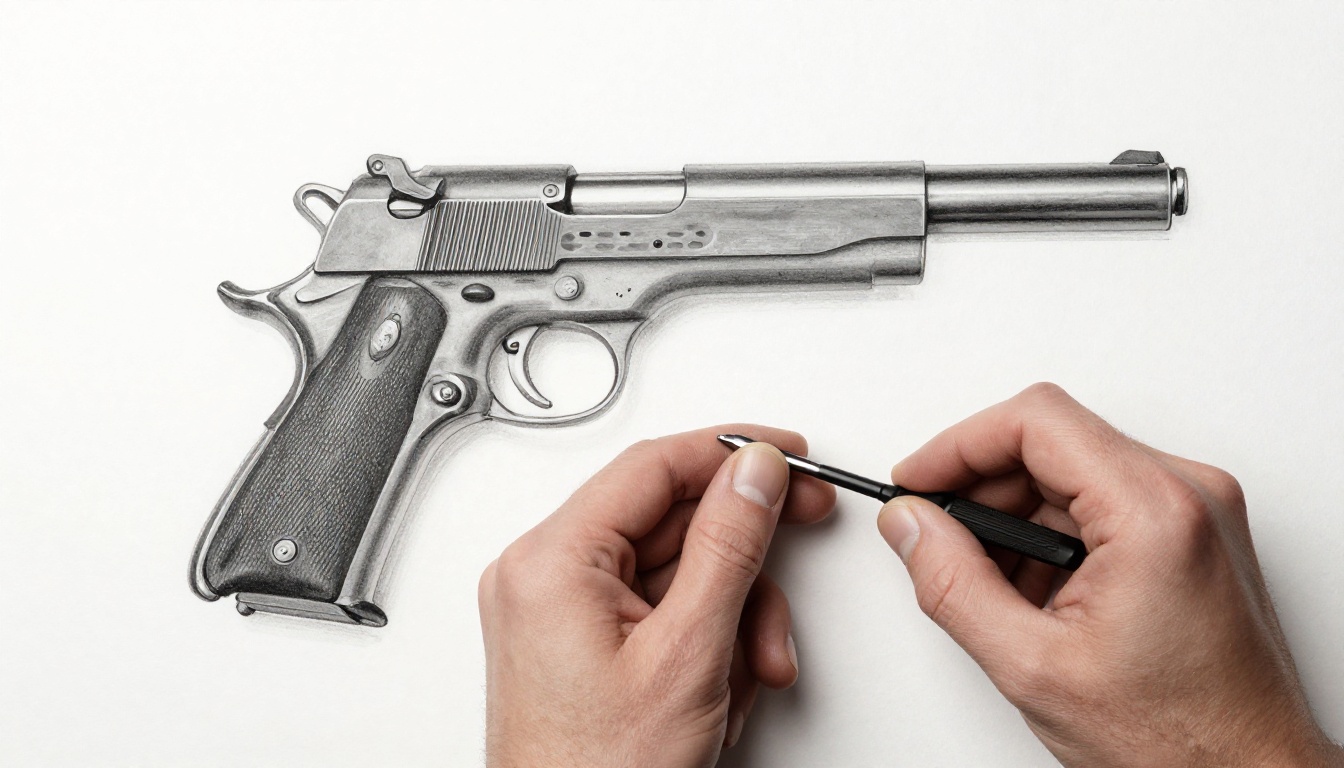
Picture this. You rack the slide on your pistol, and it sticks halfway. The recoil spring has slipped, turning a smooth function into a frustrating jam. This happens often in guns like 1911s or Glocks. That spring absorbs kickback and cycles the slide. When it slips, you risk poor ejection or even injury from a snap-back.
Beginners face real dangers here. A mishandled spring can fly out and hit your face. Or it damages the gun. But you can fix it yourself with care. This beginner’s guide to rewinding a slipped recoil spring safely walks you through steps, tools, and tips. You’ll gain confidence and keep your pistol reliable.
Let’s start by understanding the problem.
What a Slipped Recoil Spring Means for Your Gun
The recoil spring keeps your pistol cycling right. It pushes the slide forward after each shot. It soaks up recoil energy too. When it slips off the guide rod, the slide fails to reset fully. This leads to jams or weak feeding.
Common causes include wear from thousands of rounds. Or improper reassembly after cleaning. Dirt buildup adds tension issues. Sometimes, over-lubrication makes it slide loose. Ignore it, and you get stovepipes or failures to feed. Worse, it stresses other parts.
Think of it like a rubber band past its stretch. It loses snap. Spot it early to avoid range downtime.
Key Signs Your Recoil Spring Has Slipped
Watch for these symptoms during function checks:
- Slide stops short of battery, leaving the chamber open.
- Stovepipe jams where brass hangs halfway out.
- Unusual rattling noise when you shake the slide.
- Spring coils peek past the guide rod end.
- Weak ejection; casings drop straight down instead of flying.
Each points to lost tension. Test dry first, no ammo.
Why It Happens and How to Spot It Early
Age weakens springs after 5,000 rounds typically. Dirt packs coils, causing uneven push. Wrong assembly twists it off track. Excess oil lets it migrate.
Check visually each cleaning. Lock the slide back. Peer down the rod. Feel for play by compressing lightly. Clean often. Knowledge prevents most slips.
Essential Tools and Safety Prep Before You Start
Gather basics first. You’ll need a recoil spring tool or punch set for compression. A replacement guide rod helps if yours bends. Get nitrile gloves for grip. Safety glasses shield your eyes. Clamp the slide in a workbench vise too.
These cost under $20 in kits at hardware stores. The tool compresses without slips. Gloves stop cuts from sharp edges. Light your workspace well. Use a cloth to catch flying parts.
Always unload fully. Rack and visually check the chamber twice. Remove magazine. Point in a safe direction. Prep saves accidents.
Must-Have Safety Gear to Protect Yourself
Gloves give sure grip on slick springs. They prevent pinch injuries too.
Safety glasses block snap-back metal. Springs store huge energy.
A stable bench clamp holds the slide firm. It stops wobbles that cause slips.
Gear turns risky work routine.
Step-by-Step Guide to Safely Rewind Your Recoil Spring
Follow these for 1911s or striker-fired pistols. Go slow. Work in good light.
- Field strip the pistol. Remove slide from frame per manual.
- Lock slide open with tool. Ease spring forward gently.
- Inspect rod and spring for bends or cracks.
- Compress spring fully with tool. Rotate clockwise to rewind evenly.
- Slide onto rod square. Release slow. Rack dry 20 times.
Never point at anything unsafe. Test dry before live fire.
Disassembling and Removing the Slipped Spring
Point muzzle down. Field strip: pull takedown pins. Lift slide off.
Lock slide rear with screwdriver in ejection port. Walk spring forward inch by inch. Never let it release free. Common pitfall: forcing it causes bends. Patience wins.
Winding the Spring Back Without Snaps or Breaks
Clamp slide in soft jaws. Insert tool over rod. Compress straight down.
Rotate tool slowly, model-specific direction. 1911s go clockwise usually. Keep coils even. Feel resistance build uniform. Release in stages.
Reassembly and First Test Fire Check
Align spring end in slide groove. Tap rod home light.
Rack slide briskly 30 times dry. Check for smooth travel. Function good? Head to range. Start with one round.
Mistakes Beginners Make and How to Dodge Them
Rushing decompression snaps the spring back. Hurt follows. Go deliberate instead.
Forcing a crooked spring binds it worse. Align first, then push.
Skipping inspection misses cracks. Always eyeball for damage.
These errors jam guns long-term. Fix with double-checks.
What to Do If Something Goes Wrong
Bent spring? Stop. Straighten with pliers or replace.
Stuck slide? Tap gently rear. Never hammer.
Can’t rewind? Call a gunsmith. Better safe.
Long-Term Tips to Prevent Slips in the Future
Clean after every range trip. Wipe rod and coils dry.
Lube light, one drop max. Inspect every 1,000 rounds.
Replace springs by model: 1911 every 3,000; Glocks 5,000.
Buy quality like Wolff. Store dry. Routine keeps you shooting.
You’ve got the steps now. Safety first lets you rewind that slipped recoil spring without worry. Practice on dummies if nervous. Your pistol runs smooth again.
Share your first fix in comments. Did a sign tip you off early? Subscribe for more pistol tips. Check cleaning guides next.
Handle it like a pro from here. Safe shooting.