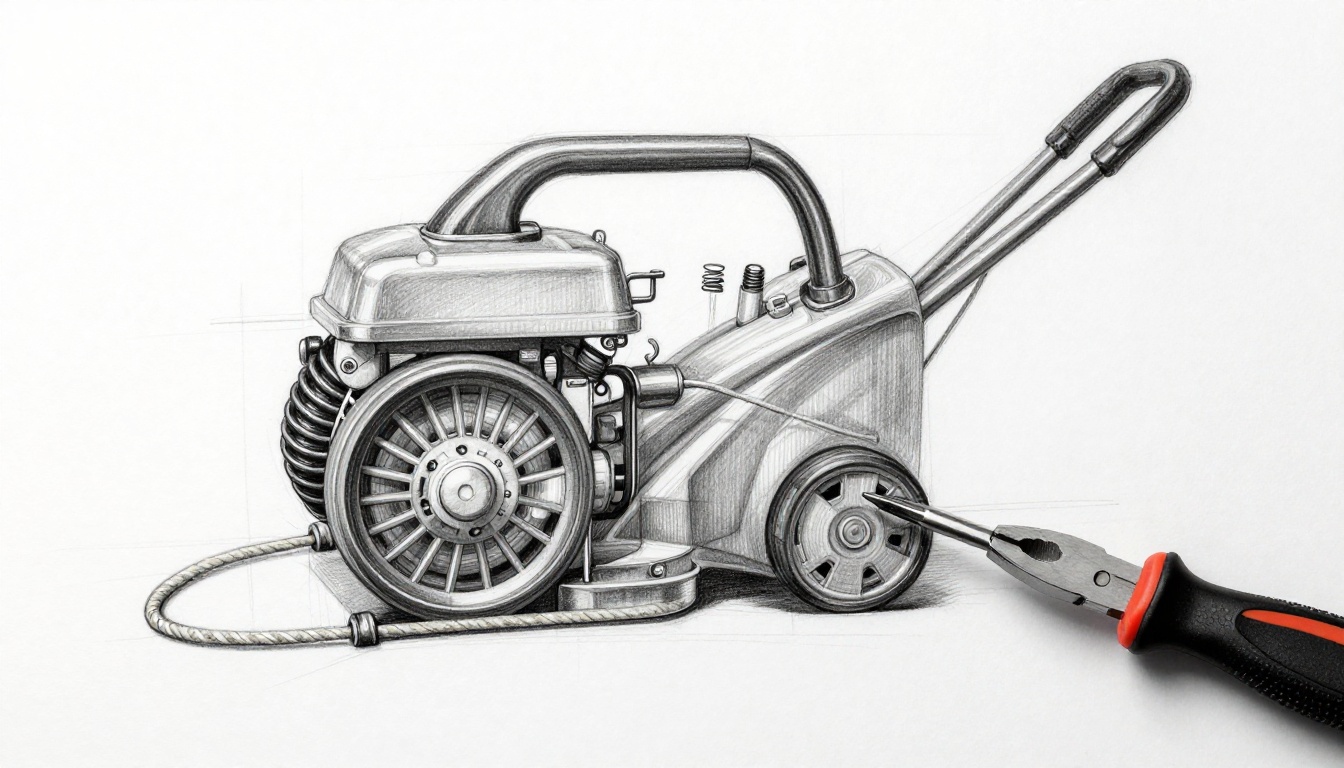
Picture this: you’re in the middle of mowing the lawn or firing up the chainsaw, and the pull cord snaps. Now the job stalls, and you face a pricey repair shop visit. That recoil starter rope powers quick starts on lawn mowers, chainsaws, and generators through a spring-loaded pulley.
You can fix it yourself. This guide walks you through replacing the rope step by step. You’ll keep all the spring tension intact, so it retracts strong every time. No special skills or tools required. Best of all, you’ll finish in under 30 minutes and save cash.
Gather These Simple Tools and a Fresh Rope First
Start with the right supplies. You’ll need a replacement rope that matches the old one’s length and thickness. Most recoil starters use 3/16-inch diameter rope, about 5 to 7 feet long. Measure your broken one first.
Hardware stores stock these, or order universal kits online. Pick nylon or polyester rope because it resists wear. Braided types last longer. Cost stays low, often under $10.
Grab these tools too. A flathead screwdriver pries parts open. Needle-nose pliers handle tight knots. A utility knife or scissors cuts rope clean. Wear gloves to protect your hands from sharp edges or spring snaps. Duct tape works for a quick handle fix if needed.
Why match specs exactly? Wrong size causes binding or weak pulls. Check your engine manual for details. Common models like Briggs & Stratton mowers take standard 93-inch ropes.
Lay everything out on a workbench. Work in a stable spot with good light. This prep prevents mistakes later. Now you’re set to remove the old rope.
Remove the Old Rope Safely in Just a Few Minutes
Safety comes first. Wear gloves always. Choose a flat surface so the unit stays steady. Never yank hard. That risks the spring flying loose and causing injury.
Work slowly. Note the rope’s path through guides as you go. Most small engine recoil starters follow similar steps.
Pop Off the Handle and Untie the Knot
Slide the handle off the end if it grips loose. Some tie in place, so cut the knot carefully with scissors. Pull the rope end from the pulley slowly.
Observe how it exits the housing. Guides keep it straight. Avoid pulling too fast. The pulley might spin free otherwise.
Pull the Rope Out and Inspect the Pulley
Grip the rope with pliers if frayed. Pull it out hand over hand. Feed it through each guide until free.
Examine the pulley now. Look for groove wear or cracks. Check the spring eyelet too. Clean debris with a rag. If the housing uses screws, loosen them slightly. Count turns so you reverse later.
Ease Open the Starter Housing if Needed
Unscrew the recoil unit from the engine first. Four to six screws hold most. Set it aside safely.
Pry the pulley cover open gently. Use the screwdriver. Hold the pulley firm with one hand. This prevents spring unwind. Common patterns include Phillips heads around the edge. Note positions before full removal.
You’ve got the old rope out. No tension lost yet. Next, reload the spring right.
Rewind the Spring Tension and Thread the New Rope Perfectly
This step matters most. The spring stores energy for retraction. Lose it, and pulls weaken. Rotate the pulley opposite the pull direction. That’s clockwise usually. Do 8 to 12 full turns until resistance builds.
Feel it tighten like winding a yo-yo. Hold steady. Then secure the new rope.
Wind the Spring Full Without Letting Go
Insert a screwdriver into the center hole if your pulley has one. This locks it. Or press your thumb hard on the pulley face.
Turn clockwise slowly. Count 10 turns for mowers, 12 for chainsaws. Stop at firm resistance. Over-winding snaps springs. Test by easing off slightly. It should stay taut.
Secure and Route Your New Rope Right
Cut your new rope to exact length. Burn the ends lightly with a match to seal. This stops fraying.
Hook one end into the pulley notch or spring eye. Use pliers for precision. Thread the other end out through the eyelet hole. Follow the exact path of the old rope via guides. Leave 6 inches slack for the handle.
Tie a tight knot at the pulley end. Pull test gently.
Attach Handle and Let It Retract Smoothly
Slide the rope into the handle hole. Tie a secure bowline knot inside. Or glue if molded.
Brake the pulley with your thumb. Release rope slowly. It winds in even layers. No twists or overlaps. Tug a few times. It retracts crisp.
Spring tension stays perfect now. Time to reassemble.

Reattach, Test, and Dodge Common Snags
Bolt the recoil unit back to the engine housing. Tighten screws firm but not over. Use the pattern you noted.
Pull the rope 5 to 10 times without starting the engine. Check rewind strength.
Bolt It Back On and Do a Dry Run
Align screw holes precisely. Hand-tighten first, then snug with screwdriver. Wiggle the unit. No play allowed.
Yank the rope fully out and release. It snaps back fast. Repeat for consistency.
Spot and Fix Tension Troubles Fast
Tension loose? Rewind 2 more turns. Rope slips out? Cinch knots tighter.
Pulley binds? Inspect guides for bends. Straighten or clean. Spray light WD-40 on moving parts. Wipe excess. Debris causes most jams.
Wrong rope size leads to weak pulls. Swap for correct diameter. These fixes take seconds.
Bonus Tips to Keep Your Pull Cord Strong for Years
Prevent breaks with smart habits. Pull straight always, never sideways. That strains the spring unevenly.
Store tools dry. Moisture rusts parts inside. Inspect the rope yearly. Look for frays or stiffness.
Upgrade to UV-resistant braided nylon. It outlasts cotton types. Keep the pulley lubed lightly once a season.
These steps extend recoil life. Your engine runs smoother overall. Less downtime means more yard work done.

In short, you just mastered recoil starter rope replacement. No shop needed, tension intact, job done fast. Grab your tools and try it next breakdown.
Share your success in the comments. Did it retract perfect? Subscribe for more DIY engine fixes. Pin this for later yard seasons.