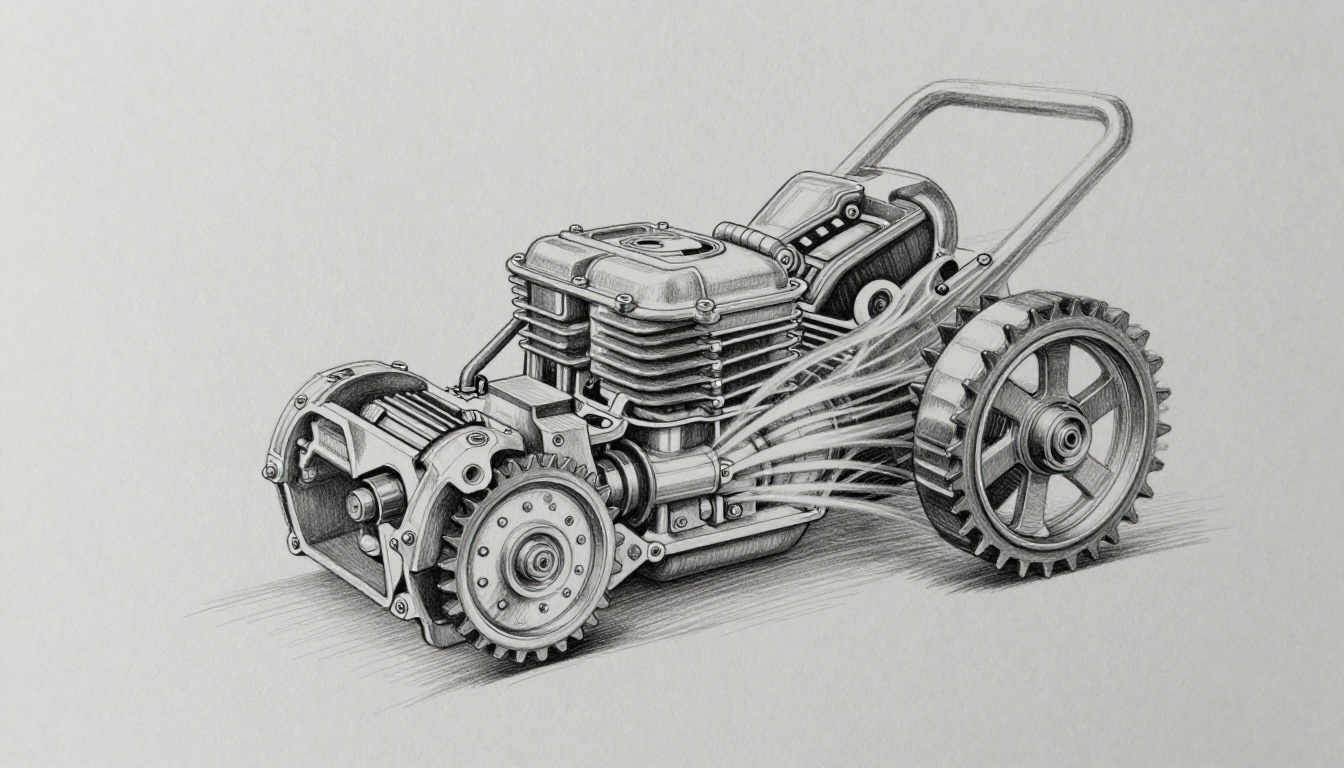
Picture this: a scorching summer afternoon. You fire up your lawnmower to tackle the yard. After 20 minutes, smoke pours from the engine. It seizes up, dead. Overheating strikes fast in small engines.
The culprit? Poor airflow over the cylinder head, where combustion generates intense heat. That’s where the flywheel fan steps in. These fins on the flywheel act like a built-in fan. They spin with the engine to suck cool air across the hot cylinder head fins. This simple setup dumps heat before it warps parts or melts seals.
You might wonder why your chainsaw or generator runs cool during long jobs. The flywheel fan makes it happen. In this post, we’ll break down its design, airflow process, benefits, and fixes. You’ll see how it boosts reliability. Let’s start with what powers this cooling hero.
What Makes the Flywheel Fan Tick in Your Small Engine
Small engines in lawnmowers, chainsaws, and generators rely on air cooling. No radiator or water pump needed. The flywheel fan handles that job. It sits on the crankshaft, a rod that turns engine power into motion.
The flywheel itself weighs a lot. This heavy disk stores momentum so the engine runs smooth. Fins bolt to or cast into its outer edge. They look like fan blades. When you pull the starter cord, the crankshaft spins the flywheel fast. Those fins whip air around at thousands of RPMs.
Think of it like a desk fan on steroids. It moves way more air, faster. Metal construction takes the abuse. Aluminum or steel fins resist bends and cracks. Because it spins so quick, even small fins create strong suction. Spotting its role early helps you avoid breakdowns. For example, a bent fin cuts airflow by half.
In addition, the fan pairs with the engine shroud. This plastic or metal cover directs air where needed. Without good fins, heat builds fast. Next, we’ll look closer at the design details.
The Simple Design That Packs a Cooling Punch
Fins come in curved or straight shapes. Curved ones grab air better, like propeller blades. Straight fins work fine too, especially in budget engines. Most have 12 to 20 blades. More fins mean stronger pull, but spacing matters for balance.
Pitch, or blade angle, boosts efficiency. A steep pitch sucks air hard toward the center. Compare it to a box fan in your window. It pulls outside air through screens. Here, fins direct flow to the cylinder head. Those head fins act like radiator slats.
Engine makers refined this over decades. Early models had fewer, chunkier fins. Modern ones optimize for max airflow with less drag. As a result, your mower stays under 250 degrees Fahrenheit. Picture the fins blurring as you rev the engine. That’s raw cooling power at work.
Where It Lives Inside Your Engine Setup
Find the flywheel fan at the top of most vertical-shaft engines. Pull the recoil starter cover. You’ll see the shroud bolted down. Under it spins the flywheel. The fan sits right there, inches from the cylinder head.
Airflow follows a set path. Cool air enters side vents in the shroud. Fins pull it across the black-painted head fins. Hot air exits near the exhaust or muffler. The shroud acts like a duct. It funnels every breeze to the hottest spots.
Also, the flywheel holds the magneto and ignition coil. Magnets generate spark as it spins. So, the fan shares space with spark gear. This setup saves room in compact engines. When you disassemble for service, note the layout. It guides reassembly right. Meanwhile, debris often clogs this area first.
The Step-by-Step Way It Pulls Air Over the Hot Cylinder Head
Start the engine. The crankshaft turns. Flywheel and fins spin up to 3,600 RPMs at full throttle. Backward-facing fins create low pressure. This suction draws fresh air into the shroud.
Air hits the cylinder head first. Combustion inside reaches 2,000 degrees. Head fins absorb that heat. Incoming air picks it up, warms, then flows out. Centrifugal force from spinning fins also pushes hot air away. Suction pulls new cool stuff in. It’s a constant cycle.
Higher speeds mean better cooling. Idle slow? Airflow drops. Rev it, and cooling surges. Like blowing on hot soup to cool a bite, but the engine does it to itself. Restricted paths hurt this flow. Clean setup keeps temps steady. Grasp the steps, and you can tweak for better performance.
However, physics plays simple here. No complex math needed. Just spin, suck, cool, repeat.
Creating Suction: The Magic of Spinning Fins
Backward-angled fins act like scoops. They face the rotation direction. This builds vacuum on the front side. Air rushes in to fill it. Unlike pusher fans on cars, this pulls from the engine bay.
The cylinder head needs it most. Pistons compress fuel there. Explosions follow. Heat soars. Fins target those fins directly. Imagine a tiny tornado over the head. That’s the pull in action.
In contrast, some engines add blower fans. But flywheels do it all-in-one. Simple and tough.
Air’s Journey from Cool Breeze to Hot Exhaust
Air slips through shroud slots first. Fins grab it, direct over head fins. Those slats space heat away from metal. Air warms 100 degrees or more.
Next, it might pass the carburetor for extra cooling. Then out baffles near the muffler. Exhaust heat helps push it away. Fin spacing on the head affects speed. Tight gaps slow air, boost cooling. Loose ones speed it up.
Poor paths create hot spots. Grass plugs vents, blocks flow. Result? Uneven temps and wear.
Why This Airflow Keeps Your Engine Running Longer and Stronger
Good cooling prevents warping. Cylinder heads twist above 400 degrees. Pistons seize in the bore. Power fades as heat robs efficiency.
Engines with solid airflow last twice as long. One study showed 500 hours versus 250 without. You mow more acres without pause. Consistent temps improve combustion. Fuel burns clean, no knock.
Rings and valves wear less too. Heat expands parts uneven. Cool flow keeps fits tight. Your saw cuts straight all day. The flywheel fan drives these wins.
Besides, it saves money. No seized pistons means no rebuilds.
Dodging Costly Overheat Damage Before It Hits
Piston seize stops everything. Metal welds to cylinder. Head gaskets blow seals. Total failure follows.
Common in mowers: blue smoke signals oil burn from heat. Power drops next. Hard starts seal the deal. The fan dumps thousands of BTUs per minute. It prevents that chain.
Real case: a generator ran hot, warped head. $300 fix. Good fan flow? Zero cost.
Performance Perks You Feel Right Away
Cool engines rev smooth. Full power surges on demand. Hot ones hesitate, knock under load. Efficiency dips 20 percent over 300 degrees.
Fan-kept temps mean peak output. You notice in tough cuts or long runs. Reliability shines.
Spot and Fix Flywheel Fan Problems Before They Cook Your Engine
Inspect every 25 hours. Bent fins from rocks kill pull. Debris packs tight. Loose flywheel wobbles.
Grab a socket wrench and compressor. Remove shroud bolts. Spin flywheel by hand. Check rubs or play.
Cleaning restores flow. Cheap versus $400 engine swap. Know limits; pros handle key swaps.
DIY keeps you running.
Quick Checks to Catch Issues Early
Pull the starter. Spin flywheel. Look for dents or missing chunks. Listen for shroud scrapes.
Use a temp gun. Head under 250F runs fine. Over? Dig deeper. Debris shows as clogs.
Visual scan spots 80 percent of woes.
Hands-On Cleaning and Tune-Up Steps
Kill spark plug first. Safety rules. Remove recoil and shroud bolts.
Blow grass with compressor. Wipe fins gentle. No wire brushes; they gouge.
Reinstall tight. Torque to spec. Test run. Check belt tension if driven type.
Done right, it spins free.
Keep Your Engine Cool and Reliable
The flywheel fan pulls air across the cylinder head like clockwork. It sucks cool breezes over hot fins, dumps heat out. Design, path, and maintenance make it work.
You gain longer life, full power, no surprise smokes. Inspect fins today. Clean the shroud too. Share your fixes in comments below. What’s your toughest overheating story?
Simple part, huge payoff. Run strong this season.