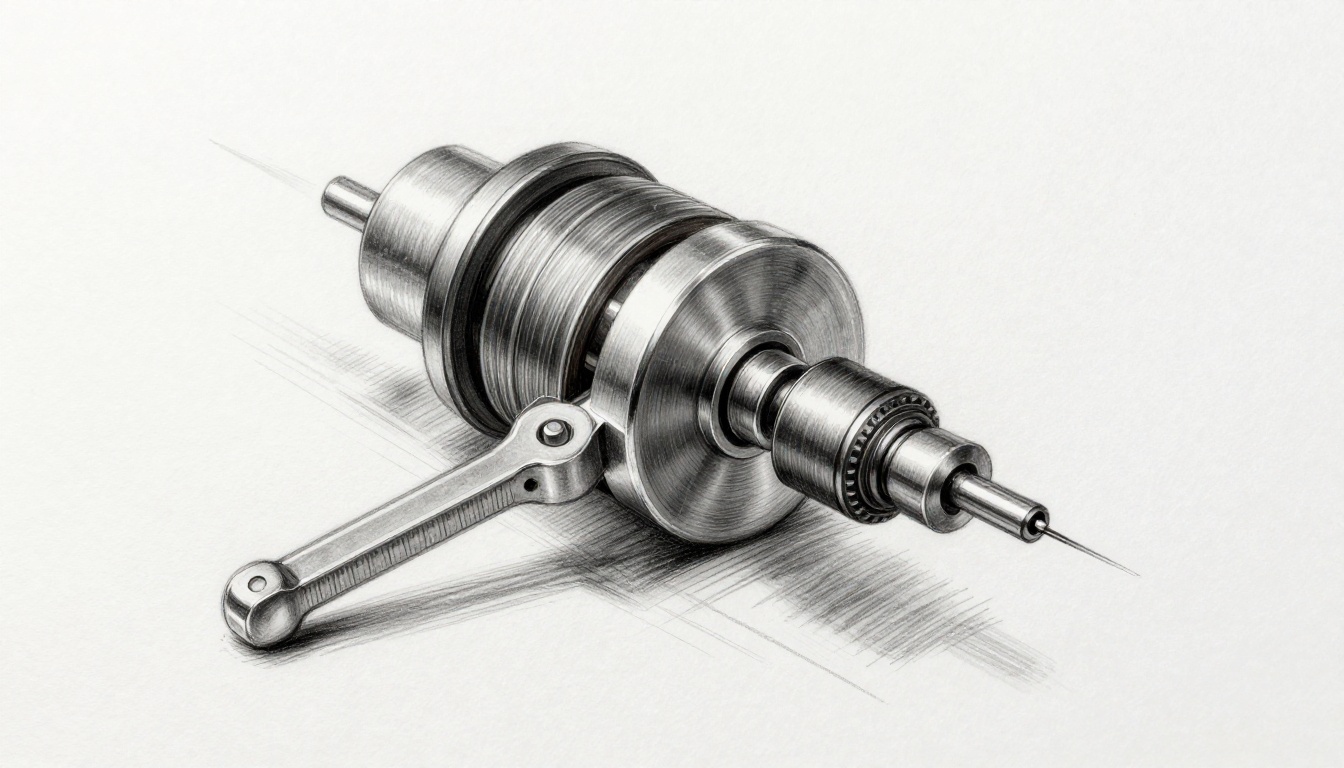
Picture this. You pull the cord on your lawnmower. It cranks and cranks, but no spark means no start. Frustrating, right? That often comes down to the air gap, the tiny space between the flywheel magnets and ignition coil. It sparks your engine to life.
Beginners face a steep learning curve here. A wrong gap kills the spark and strands your tools. But don’t worry. This guide walks you through it step by step. You’ll fix common small engines like mowers or chainsaws safely at home. Safety stays simple, and results come quick. Let’s get your engine firing right.
What Exactly Is the Air Gap and Why Set It Right?
The air gap measures about 0.010 to 0.012 inches. It sits between the flywheel’s strong magnets and the coil’s leg laminations. As the flywheel spins fast, those magnets pass close by. They induce a high-voltage current in the coil. That current jumps to the spark plug and ignites your fuel.
Why does precision matter so much? A perfect gap creates a strong, reliable spark. Your engine starts easy on the first or second pull. Fuel burns clean for better power. Plus, parts last longer because everything runs smooth. Factories set it right from the start. But wear, bumps, or impacts shift it over time.
Ever notice your chainsaw sputters on damp mornings? Or your generator hesitates under load? Those point to a drifted gap. Think of it like a key in a lock. Too loose, and it won’t turn. Too tight, and it binds. The right fit starts every time.
In addition, correct gaps prevent weak performance. You save on gas and avoid breakdowns mid-job. Most small gas engines use this setup. So, checking it keeps you ready for yard work or outages.
How a Bad Gap Kills Your Spark
Too wide a gap weakens the magnetic pull. The coil gets low voltage. Result? A faint spark or none at all. Your mower cranks forever but stays dead. Meanwhile, a too-narrow gap lets the coil rub the flywheel. It scrapes laminations and scores magnets. Sparks fly wrong, or parts fail fast.
Take lawnmowers. Owners often report hard starts after hitting rocks. The impact jars the coil closer. Now it drags and overheats. Tillers face similar woes from tough soil. Generators skip under load because gaps widen from vibration.
However, prevention beats repair. A quick check spots issues early. You dodge coil replacements that cost $20 to $50. In short, right gaps mean fewer headaches and cash in your pocket.
Tools and Safety Prep Before You Start
Gather your basics first. You’ll need a non-magnetic feeler gauge set. That’s your star tool for precise measurement. Add a socket wrench or nut driver for the coil screws. A flat screwdriver helps with covers. Keep a clean rag and flashlight handy too. A torque wrench works if you want exact tightness, but it’s optional.
Safety comes next because flywheels pack power. Wear safety glasses and gloves always. Grab a spark plug wrench to disconnect the wire. Park your machine on flat ground. Let the engine cool fully. If it has electric start, disconnect the battery.
Ground the spark plug wire to the block. This stops accidental fires. Never put fingers near the flywheel. One spin can cause serious cuts. With prep done, you’re set to adjust without risks.
Prep takes minutes but saves trouble. Clean tools stay sharp, and safe habits build confidence.
Must-Have Tools at a Glance
Feeler gauges shine because they slide without scratching. Pick brass or plastic ones; steel magnets stick. The wrench loosens two or three coil bolts easily. Your screwdriver pops off the blower housing fast.
Auto parts stores stock these cheap. A full gauge set runs under $15. They last years with care. So, invest once and fix many engines.
Simple Steps to Set Your Air Gap Perfectly
Start by disconnecting the spark plug wire. Pull it off and tuck it safe. Remove the blower housing or shroud. Usually, four to six screws hold it. Set them aside in order.
Rotate the flywheel by hand or cord. Align a magnet directly under the coil. Loosen the coil mounting screws a half turn. They hold the coil base.
Insert your feeler gauge. Use the 0.010-inch blade or 0.012-inch one, per your manual. Slide it between the coil laminations and flywheel magnet. Push the coil until you feel light drag. The gauge slips in and out smooth, no pinch.
Hold that position firm. Tighten the screws gently with your wrench. Recheck the drag. It should stay consistent.
Rotate the flywheel again. Position the next magnet under the coil. Measure and adjust if needed. Repeat for all magnets, often two to four.
Wipe off rust or debris first. It skews readings. Clean surfaces ensure accuracy.
- Disconnect spark plug wire.
- Remove blower housing.
- Align magnet under coil.
- Loosen coil screws.
- Insert gauge for light drag.
- Tighten while holding coil.
- Check all magnets.
- Reinstall housing and wire.
Follow these, and gaps set even. Beginners nail it on the first try.
Pro Tip: Checking the Gap at Every Magnet
Most flywheels have two or four magnets. Gaps must match across all. Rotate slow by hand. Recheck after tightening because coils can shift.
Aim for plus or minus 0.003 inches tolerance. Consistency builds the best spark. Skip this, and performance dips.
Reassembly Without Forgetting Anything
Reverse your steps now. Snug the housing screws even. Route wires away from the flywheel path. They snag otherwise.
Crank by hand once. Listen for rubs or scrapes. None means success. Reconnect the plug and test.
Avoid These Pitfalls and Test Your Fix
Magnetic feeler gauges stick to magnets. Always use non-magnetic ones. Over-tightening shifts the coil back out. Snug is enough, around 50 inch-pounds.
Dirty rust fools your gauge. Wipe clean first. Wrong specs hurt too. Manuals list exact gaps, like 0.010 for Briggs engines.
No spark after? Test coil resistance with a meter. Check the flywheel key for shear. It aligns magnets right.
Maintenance helps. Recheck gaps yearly or after bumps. DIY saves $100 plus on service calls. You gain skills for life.
Stay positive. These fixes empower you.
Quick Spark Test After Adjustment
Reinstall everything. Hold the plug base against the engine block. Ground the threads firm.
Pull the cord slow. Look for a fat blue spark across the gap. Yellow or none means recheck. Safety first, no gloves here.
Blue spark confirms your work. Engines roar back to life.
Engine trouble hits hard, but the right air gap fixes it fast. You learned the basics, tools, steps, and checks. Now starts come easy every time.
Grab your feeler gauge next service. Try it and see. Share your wins in the comments below. What engine did you fix? Subscribe for more DIY tips that save time and money.
Your mower pulls strong on the first yank. Reliable power awaits.